
Top Hidden Hazards Found by Concrete Scanning Before Drilling or Cutting
Every concrete slab, wall or column looks solid and uneventful from the surface. But underneath that surface sits a network of reinforcement, services and structural elements that can cause serious damage, injury or project delays if struck without warning. Here are the most common hidden hazards our team uncovers through concrete scanning, and why finding them before you drill or cut makes all the difference.
Why Hidden Hazards Are More Common Than You Think
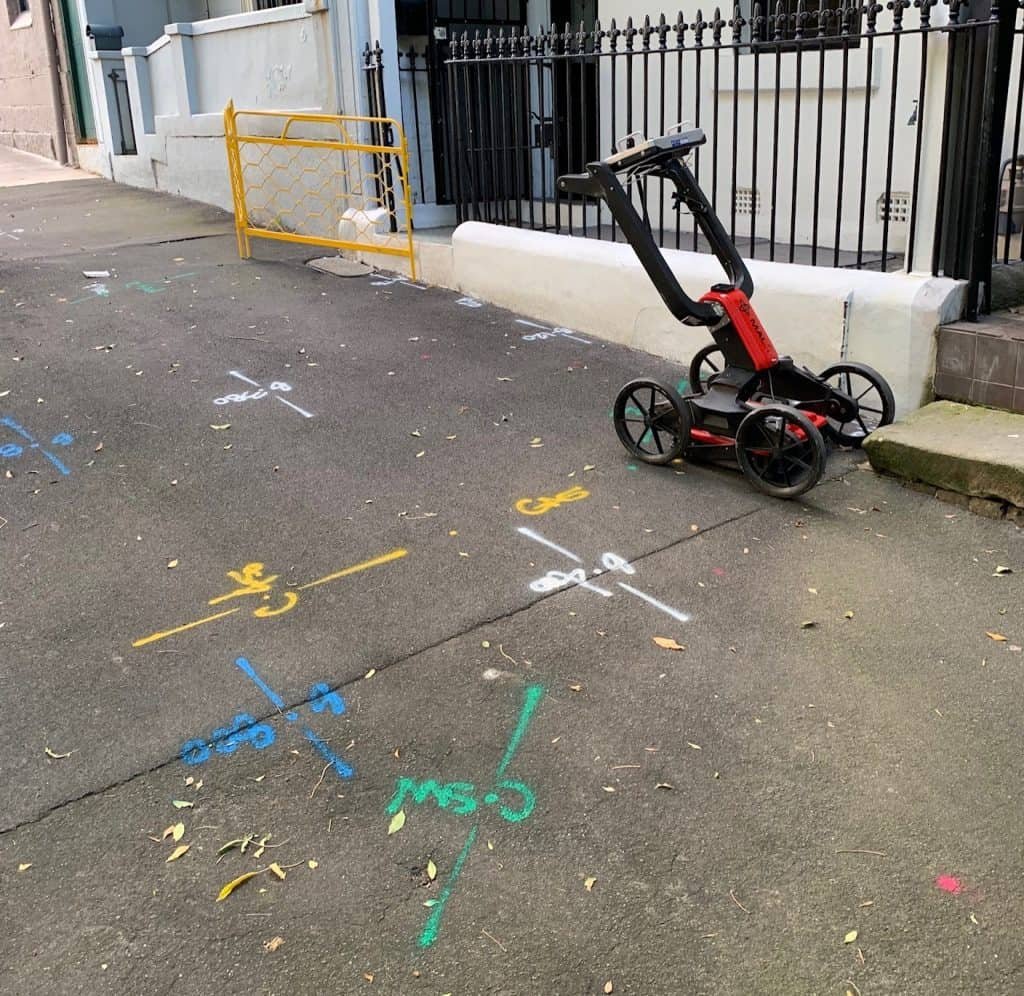
Concrete structures rarely come with a complete or accurate record of what was embedded during construction. As-built drawings get lost, modified or were never produced in the first place. Trades working on different stages of a project may have added conduits or services that weren't documented. And on older structures, original records may be decades out of date.
The result is that even experienced crews working from site plans can encounter elements they didn't expect. Without scanning, the first indication of a hidden hazard is often the moment something goes wrong, whether that's a conduit being severed, a post-tension cable being struck or a structural element being compromised.
Our concrete scanning service eliminates that uncertainty before work begins, giving crews a clear picture of exactly what's inside the slab or structure they're about to modify.
The Top Hidden Hazards Found by Concrete Scanning
-
1Post-Tension Cables
Post-tension cables are among the most dangerous and costly hazards in any suspended slab. These high-strength steel strands are kept under significant tension to carry the weight of the slab above. Cutting through one can cause the strand to recoil violently, posing a serious risk to workers nearby. Beyond the immediate safety concern, repairing a compromised post-tension system can cost tens of thousands of dollars and cause major project delays. These cables don't always follow a predictable or uniform path through a slab, making scanning by an experienced operator the only reliable way to locate them accurately.
-
2Reinforcing Steel (Rebar) and Mesh
Rebar and steel mesh provide the structural backbone of most concrete slabs and walls. Drilling or coring through reinforcement without knowing where it sits can weaken the structure, lead to cracking and result in costly remediation work. In some configurations, such as tightly spaced rebar in high-load slabs, finding a safe drilling path without scanning is genuinely difficult. Concrete scanning maps the position, depth and spacing of all reinforcement so cores and anchors can be placed precisely between bars rather than through them.
-
3Embedded Electrical Conduits
Electrical conduits are commonly run through concrete slabs and walls during construction, often carrying live cables to power points, lighting circuits and data infrastructure. Striking a live conduit during drilling creates an immediate electrocution risk for the operator and can cause damage that requires complete circuit replacement. Because conduit runs don't always follow logical or expected paths, they can appear in places that seem unlikely until the scan picks them up. Scanning identifies both metallic and non-metallic conduit runs before any penetration takes place.
-
4Plumbing and Water Services
Water pipes and drainage lines embedded in or below slabs are another hazard that scanning regularly uncovers. Striking a pressurised water line during drilling doesn't just cause water damage, it can result in flooding, mould, structural deterioration and significant repair bills. In multi-storey buildings, the consequences of a pipe strike can extend to floors below. Scanning pinpoints pipe locations before work starts, allowing crews to adjust their drill points or cut lines to avoid them entirely.
-
5Gas Lines
Though less common within concrete slabs themselves, gas lines are a critical hazard when drilling near ground level or through walls connected to utility infrastructure. A strike on a gas line creates an immediate explosion and fire risk. Our utility locating service uses electromagnetic induction technology to trace gas lines and other underground services before any excavation or ground-level penetration work begins, providing an essential layer of protection on sites where gas infrastructure is present.
-
6Voids and Delamination
Not all hidden hazards are physical objects. Voids, air pockets and areas of delamination within a slab indicate zones where the concrete has lost integrity. Drilling or applying load in these areas can cause localised collapse, cracking or sudden surface failure. Voids may result from poor compaction during the original pour, water ingress over time, or degradation of embedded materials. Scanning identifies these anomalies so that structural assessments can be made before modification work proceeds.
-
7Communication and Data Conduits
Data, fibre optic and communications cabling is increasingly embedded within modern concrete structures as part of building infrastructure. While cutting through a data conduit may not present an immediate physical danger, it can take down critical systems, disrupt building operations and generate significant liability. In commercial and institutional settings, the cost of network downtime can far exceed the cost of the physical repair. Scanning identifies these runs before they become an unplanned discovery mid-job.
What Happens When Hazards Are Missed
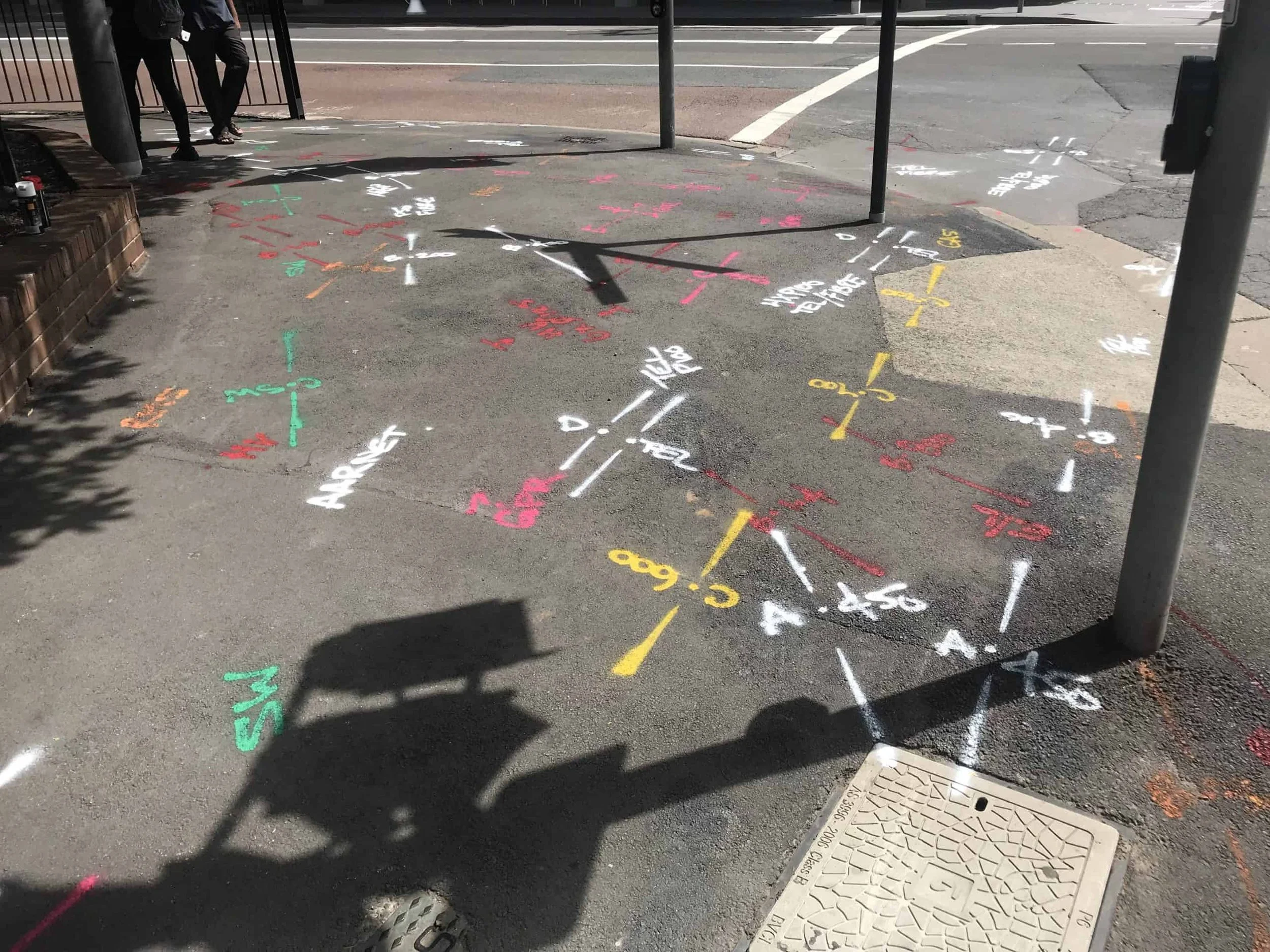
The consequences of an undetected hazard range from inconvenient to catastrophic. A severed electrical conduit can shut down a worksite while an electrician is called in for emergency repairs. A struck post-tension cable can render an entire floor structurally unsafe until engineers assess and approve remediation works. A ruptured water line on an upper floor can flood multiple levels of a building and damage assets, fit-out and equipment well beyond the immediate work zone.
There are also significant liability implications. If a hazard strike results in injury or major damage, questions around due diligence become central to any insurance or legal process. Demonstrating that a professional scan was completed, and that results were acted upon, is the clearest evidence that appropriate care was taken before work commenced.
The Cost of Not Scanning
A professional concrete scan typically takes a few hours and costs a fraction of a single repair callout. A post-tension cable strike can generate repair costs in the tens of thousands. A flooding event from a struck pipe can multiply that many times over. The economics of scanning are straightforward: the upfront investment in knowing what's there is always less than the cost of finding out the hard way.
Who Needs Concrete Scanning Before They Start?
Any trade or contractor planning to drill, core, cut, anchor or modify a concrete structure should be scanning first. This includes builders installing fixings or mechanical services, electricians and plumbers penetrating slabs for new service runs, structural engineers assessing or modifying existing structures, and demolition crews removing sections of concrete in occupied or active buildings.
The requirement isn't limited to large commercial projects. Residential renovations involving suspended slabs, basement ceilings or structural walls carry the same risks. Post-tension construction is widespread across Perth's newer residential builds, and many homeowners and tradespeople are unaware of how common these cables are until a scan reveals them.
Scan First. Work Safely.
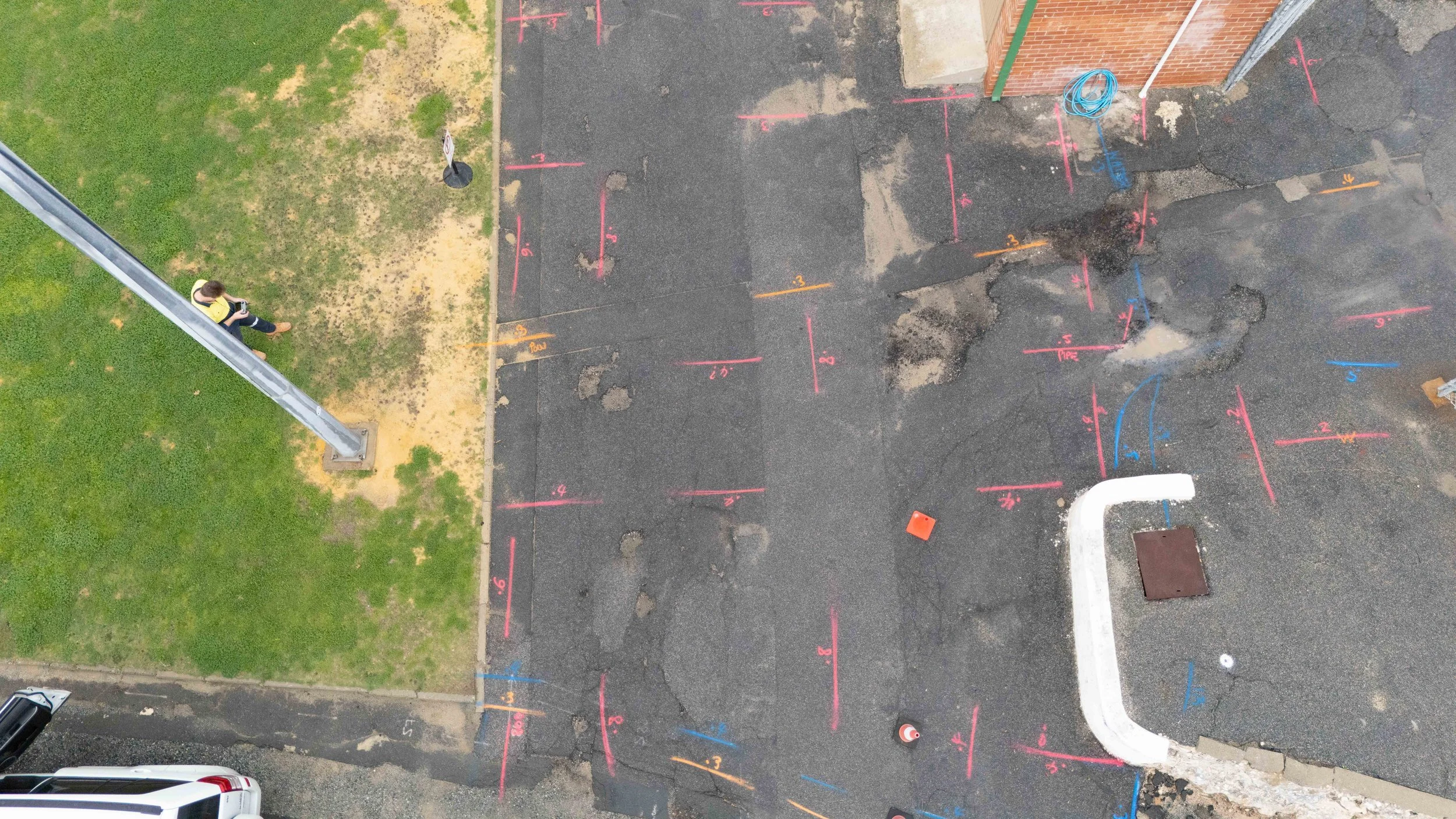
At Concrete Scanning & Locating WA, we work across the full Perth metro area and throughout Western Australia, seven days a week. We do our best to get on site the same day you call, because we know your project doesn't wait. Every scan comes with clear on-site markings and same-day reporting so your crew can get on with the job safely and confidently.
Get in touch for a fast quote or to find out more about our services: